



A Quick Look at Snow’s Cut
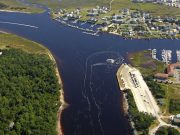
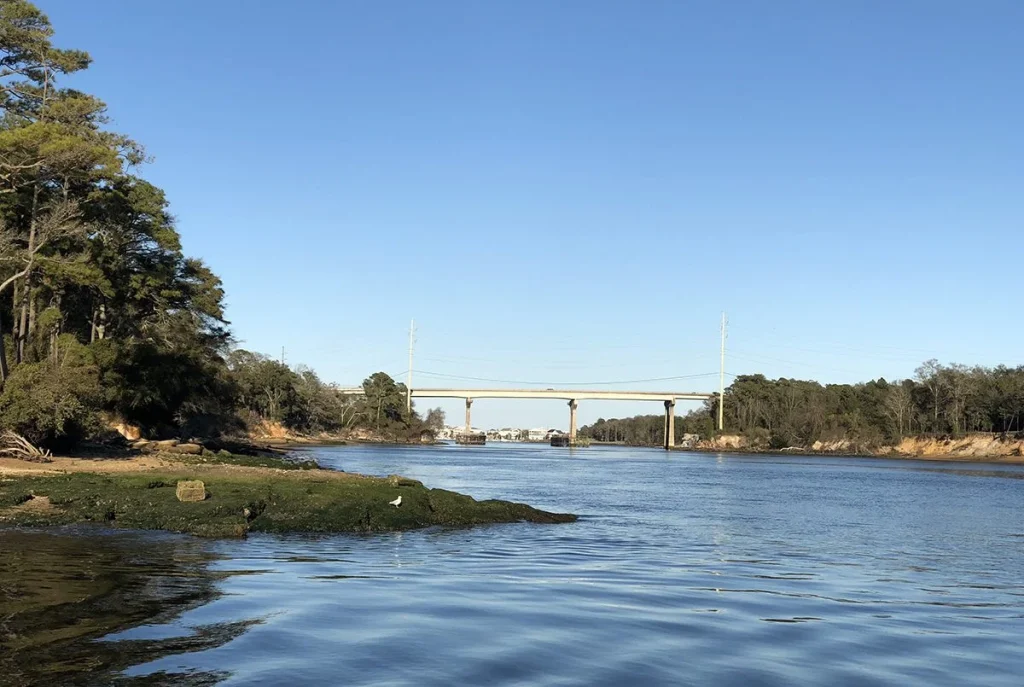
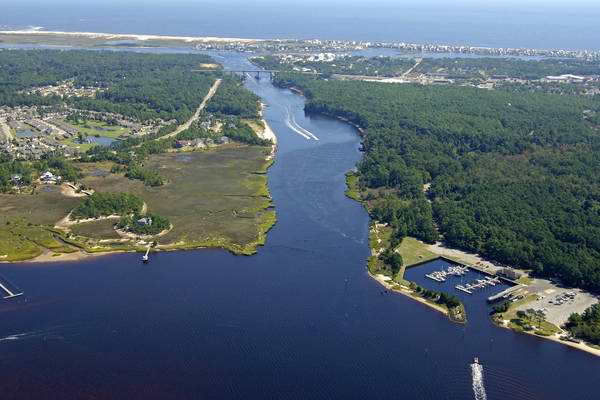
Snow’s Cut is one of those places every local has an opinion about—usually delivered with a sigh, a story, or a “you’re not gonna believe this.” Built in the early 1930s by the U.S. Army Corps of Engineers, the canal sliced through the land and turned Carolina Beach and Kure Beach into what we now call Pleasure Island. Major William A. Snow got his name slapped on it, and the rest is history… and gossip.

The Real History
Before Snow’s Cut, this whole area was just one big chunk of land. Then the Corps showed up with shovels, ambition, and probably a lot of coffee. Purpose: The cut was created to provide a safer, inland passage for ships between Wilmington and the ocean, allowing them to bypass the dangerous Frying Pan Shoals near Southport. It quickly became a hotspot for fishing, boating, and locals pretending they’re not just there to watch the sunset like everyone else.
Fast Facts About Snow’s Cut
- Dug between 1930–1933 to complete the Intracoastal Waterway
- Created the separation that made Pleasure Island an actual island
- Named after Major William A. Snow, who supervised the project
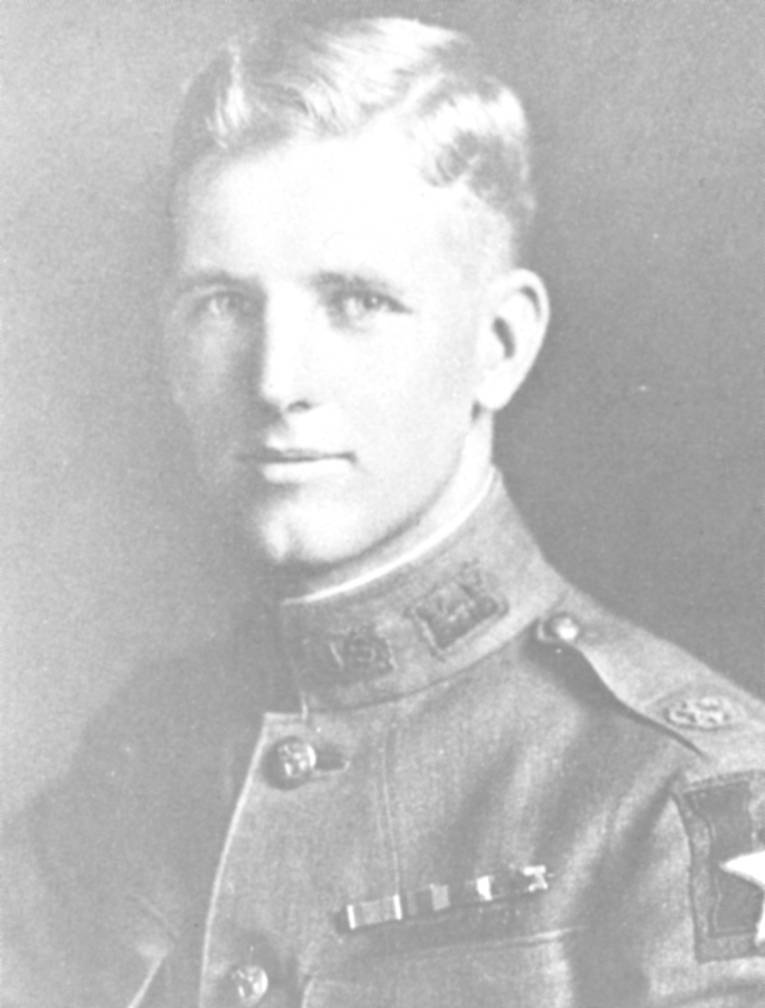
Major William Arthur Snow
Major William Arthur Snow (1894–1940) was more than a World War I hero—he made a real mark on North Carolina. As Wilmington District Engineer, he led the team that built the Carolina Beach canal, finally connecting the Cape Fear River to the Atlantic Intracoastal Waterway in 1930.
Key Facts About Major William A. Snow:
Burial: Major Snow rests at Arlington National Cemetery, a lasting tribute to his service and dedication.
Accomplishments: Thanks to Major Snow’s careful oversight, the project finished ahead of schedule and under budget, saving taxpayers $1.5 million—a remarkable achievement in its day.
Legacy: In recognition of his extraordinary leadership, the Wilmington Chamber of Commerce named the man-made canal “Snow’s Cut” in his honor. The canal transformed the Federal Point peninsula into what is now known as Pleasure Island, forever linking his name with the region.
Military Career: Major Snow’s impressive journey began with his education at West Point and M.I.T. He went on to serve courageously on the front lines in France during World War I, earning honors for his bravery and commitment.
Rumors, Myths, and Local “I Heard…”
Snow’s Cut has more rumors than a small‑town Facebook group, and honestly, half the fun is listening to people swear they know the truth.
Top three greatest hits:
- “Local Good Ol’ Boys used dynamite to make the cut.” Still in debate. It makes sense because the cut would give thousands of people, even 1933 easy access to the ocean.
- “The Snow’s Cut Bridge is sinking.” Relax. Erosion is real, but the bridge isn’t about to drop into the water.
- “The cut is eroding so fast the island will break off.” Dramatic, but no. The Corps stays busy patching things up.
- “Sharks come through Snow’s Cut.” This one’s actually true. Welcome to coastal living.
If you hang around long enough, someone will also tell you about the “mysterious whirlpools” or “secret tunnels,” but that’s a story for another day.
The Corps of Engineers and the Great Park Shutdown
Ah yes, Snow’s Cut Park—the beloved, shady, dog‑friendly, sunset‑approved hangout spot that the Corps of Engineers shut down like a parent taking away the good snacks.
Why it closed (officially):
- Erosion made the banks unstable
- Safety concerns under the bridge
- Liability issues no one wants to pay for
Locals still grumble about it because it was one of the few quiet, free places left on the island. Now it’s fenced off, overgrown, and basically a monument to “we can’t have nice things.”
Why Snow’s Cut Still Matters
Even with the park closed and the rumors swirling, Snow’s Cut is still a defining part of life here.
- A major route for boaters and fishermen
- A scenic landmark for locals, tourists, and Instagram
- A constant reminder that nature and engineering are in a never‑ending wrestling match
Snow’s Cut is part history, part headache, part hometown charm, and we wouldn’t have it any other way.